
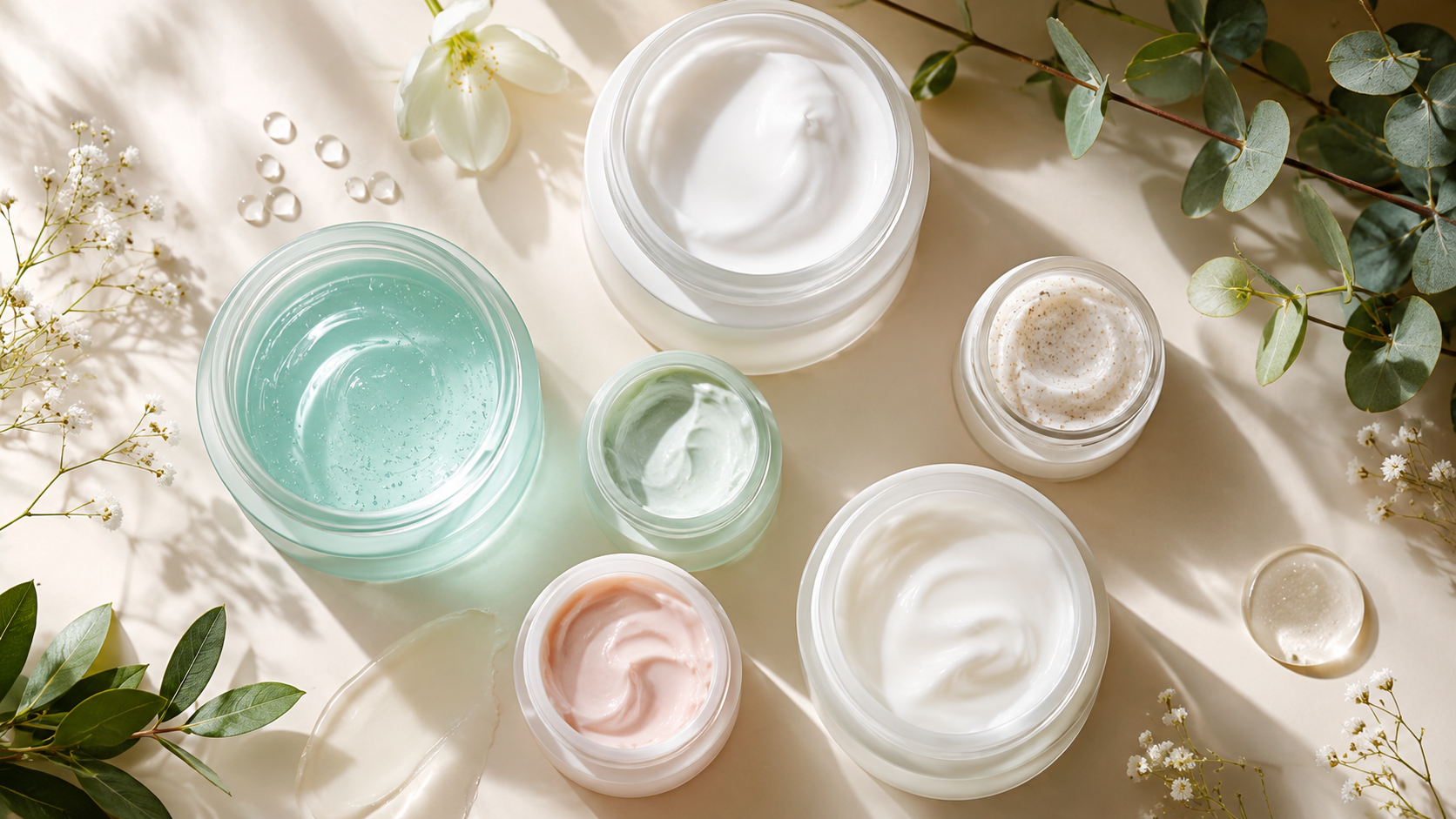
Finding the best moisturizer for dry skin or the best moisturizer for oily skin can feel confusing because every skin type has different hydration needs. A rich cream that relieves dryness may feel heavy on oily skin, while a lightweight gel may not provide enough nourishment for a damaged skin barrier.
The right moisturizer should match your skin type, strengthen the skin barrier, and provide lasting hydration without clogging pores or causing irritation. In this guide, you'll learn how to choose the right moisturiser based on your skin type, understand which ingredients actually matter, and discover dermatologist-recommended options available at Atomic Pharmacy.
The best moisturizer is the one that matches your skin type, supports your skin barrier, and keeps your skin hydrated without causing irritation or clogged pores. When you choose the right formula, your skin feels healthier, looks smoother, and becomes more resilient against environmental damage.
Whether you're searching for the best moisturizer for dry skin, best moisturizer for oily skin, best moisturizer for sensitive skin, or simply a reliable daily moisturizer, this guide will help you understand exactly what to look for. We've also included dermatologist-recommended products available at Atomic Pharmacy to make choosing easier.
Quick Answer: Best Moisturizer by Skin Type
|
Skin Type |
Best Texture |
Recommended Product |
|
Dry Skin |
Rich Cream |
|
|
Oily Skin |
Water-Based Gel |
|
|
Combination Skin |
Gel-Cream |
|
|
Sensitive Skin |
Fragrance-Free Cream |
|
|
Acne-Prone Skin |
Non-Comedogenic Gel |
|
|
Mature Skin |
Rich Cream |
How We Selected These Moisturizers
Every recommendation in this guide is based on factors that genuinely matter for skin health rather than marketing claims.
We consider:
Ingredient quality
Skin barrier support
Suitability for different skin types
Dermatologist recommendations
Everyday usability
Non-comedogenic formulations where appropriate
Overall value for money
Rather than recommending products simply because they are popular, we've focused on moisturisers that contain ingredients with well-established benefits for hydration and skin barrier repair.
What Makes a Good Moisturizer?
Every effective moisturiser works by combining three important types of ingredients.
Humectants
Humectants attract water into the skin.
Common examples include:
Glycerin
Hyaluronic Acid
Sodium PCA
These ingredients help the skin feel plumper and improve hydration throughout the day.
Emollients
Emollients smooth the surface of the skin and repair tiny gaps within the skin barrier.
Examples include:
Ceramides
Squalane
Fatty acids
They improve softness and reduce roughness over time.
Occlusives
Occlusives form a protective layer that slows moisture loss.
Examples include:
Shea Butter
Petrolatum
Beeswax
People with dry or mature skin usually benefit from richer occlusive ingredients, while oily skin often needs only a small amount.
The best face moisturiser usually contains a balance of these ingredients, although the proportions vary depending on the skin type it's designed for.
Best Moisturizer for Dry Skin
Dry skin often feels tight shortly after cleansing and may appear dull or flaky, especially around the cheeks, forehead, and nose. Cold weather, frequent washing, and air conditioning can make these symptoms even worse.
The best moisturizer for dry skin should replenish moisture while strengthening the skin's protective barrier. Look for formulas containing ceramides, glycerin, hyaluronic acid, squalane, and shea butter. These ingredients help reduce water loss and keep the skin feeling comfortable for longer.
If you're looking for a daily moisturiser, Hidrante Moisturizer is an excellent choice. Its ceramide-rich formula helps restore the skin barrier while calming dryness and irritation.
For rough or dehydrated skin, Moisturex Soft Cream combines urea and lactic acid to soften dry patches while improving overall hydration.
People with severely dry or flaky skin may benefit from Moisturex Cream, a therapeutic moisturiser formulated to manage persistent dryness and scaling.
If your goal is smoother, healthier-looking skin with everyday hydration, Hydravo Skin Renewing Moisturizer provides lasting moisture while improving skin texture with regular use.
Dermatologist Tip
Apply moisturiser within two to three minutes after washing your face. Slightly damp skin helps humectants attract and retain more moisture.
Best Moisturizer for Oily Skin
One of the biggest skincare myths is that oily skin doesn't need moisturiser.
In reality, oily skin can still become dehydrated. When that happens, it often responds by producing even more oil, making the skin appear shinier throughout the day.
The best moisturiser for oily skin should feel lightweight, absorb quickly, and leave no greasy residue. Water-based gel moisturisers are generally the best option because they hydrate without blocking pores.
Ingredients worth looking for include:
- Hyaluronic Acid
- Niacinamide
- Panthenol
- Aloe Vera
These ingredients deliver hydration while supporting the skin barrier and helping balance excess oil production.
One of the most popular options is Neutrogena Hydro Boost Water Gel. Its lightweight gel texture absorbs quickly, making it suitable for daily use even in humid weather.
If oil control is your priority, BABE Stop AKN Mattifying Moisturiser helps reduce shine while maintaining hydration throughout the day. It also works well under sunscreen or makeup.
For people with oily and acne-prone skin, IPCA Acne-OC Sebum Regulating Moisturizer provides hydration while helping regulate excess sebum production.
Dermatologist Tip
If your moisturiser still feels heavy twenty minutes after application, it may be too rich for your skin type. Switching to a lightweight gel can improve comfort without sacrificing hydration.
Best Moisturizer for Combination Skin
Combination skin can be challenging because different areas of the face have different needs. The forehead, nose, and chin are often oily, while the cheeks may feel normal or slightly dry.
The ideal solution is a gel-cream moisturiser that hydrates dry areas without making the oily zones feel greasy.
Look for ingredients such as ceramides, niacinamide, and hyaluronic acid, which help maintain hydration while supporting the skin barrier.
Maxrich yu moisturizer is one of the best options for combination skin because it combines ceramides, niacinamide, and hyaluronic acid in a lightweight formula suitable for both oily and dry areas.
Another excellent choice is Moisturex Hydra Gel Cream, which provides long-lasting hydration without clogging pores, making it suitable for daily use throughout the year.
Best Moisturizer for Sensitive Skin
Sensitive skin requires extra care because it reacts more easily to fragrances, harsh ingredients, weather changes, or even frequent cleansing. If your skin often feels itchy, burns after applying skincare products, or develops redness without an obvious cause, choosing the right moisturiser can help reduce discomfort and strengthen the skin barrier.
The best moisturiser for sensitive skin should contain gentle, fragrance-free ingredients that soothe irritation while providing lasting hydration. Instead of products packed with active ingredients, look for simple formulations with ceramides, glycerin, panthenol, colloidal oatmeal, and squalane.
Hidrante Moisturizer is an excellent daily option for sensitive and dry skin because its ceramide-rich formula helps repair the skin barrier while reducing moisture loss.
Another dermatologist-favourite is Aveeno Calm + Restore Oat Gel Moisturiser, which contains soothing oat extract and feels lightweight without compromising hydration. If you're looking for daytime protection with added sun defence, Aveeno Calm + Restore Sheer Tint SPF 30 combines hydration with broad-spectrum UV protection.
Dermatologist Tip: Always patch-test a new moisturiser on the inside of your forearm for 24 hours before applying it to your face, especially if you have eczema, rosacea, or highly reactive skin.
Best Moisturizer for Acne-Prone Skin
Many people with acne believe moisturiser makes breakouts worse, but the opposite is often true. Acne treatments containing salicylic acid, benzoyl peroxide, or retinoids can dry out the skin, weakening the skin barrier and increasing irritation.
The best moisturizer for acne-prone skin hydrates without clogging pores. Look for products labelled non-comedogenic, meaning they are formulated to minimise the risk of blocked pores.
Helpful ingredients include:
- Niacinamide
- Hyaluronic Acid
- Ceramides
- Panthenol
- Centella Asiatica (Cica)
Acnemoist Cream is specifically designed for acne-prone skin. It provides lightweight hydration while helping maintain a healthy skin barrier.
If excess oil is also a concern, BABE Stop AKN Mattifying Moisturizer offers hydration with a mattifying finish, making it ideal for everyday use.
For people following an acne routine, pairing your moisturiser with a gentle cleanser and sunscreen can help improve overall skin health while reducing irritation caused by active treatments.
Best Moisturizer for Mature Skin
As we age, the skin naturally produces less oil and loses moisture more quickly. This can lead to dryness, rough texture, and the appearance of fine lines. While moisturisers cannot reverse ageing, they can improve skin hydration and make the skin appear smoother and healthier.
The best moisturizer for mature skin should contain ingredients that support both hydration and skin barrier repair.
Look for:
- Ceramides
- Peptides
- Hyaluronic Acid
- Glycerin
- Squalane
Using a richer cream at night and a lighter moisturiser during the day often works well. Applying moisturiser consistently also helps improve the effectiveness of other skincare products in your routine.
Best Moisturizer for Daily Use
If you're searching for the best daily moisturizer, choose one that matches your skin type rather than following trends or social media recommendations.
For everyday use:
- Dry Skin: Hidrante Moisturizer
- Oily Skin: Neutrogena Hydro Boost Water Gel
- Combination Skin: Maxrich Yu Cream
- Sensitive Skin: Aveeno Calm + Restore Oat Gel
- Acne-Prone Skin: Acnemoist Cream
A daily moisturiser should feel comfortable, absorb well, and keep your skin hydrated without feeling greasy or sticky.
Ingredients Dermatologists Recommend
Instead of choosing a moisturiser based solely on its brand, take a closer look at the ingredient list.
Ceramides
Ceramides are natural lipids found in the skin barrier. They help reduce moisture loss, strengthen the skin's protective layer, and improve overall skin health.
Hyaluronic Acid
Hyaluronic acid attracts water to the skin, helping it stay hydrated and plump. It works well for almost every skin type, including oily skin.
Glycerin
Glycerin is one of the most effective humectants available. It draws moisture into the skin and helps maintain hydration throughout the day.
Niacinamide
Niacinamide helps regulate oil production, supports the skin barrier, and improves uneven skin tone. It is particularly useful for oily and acne-prone skin.
Squalane
Squalane is a lightweight emollient that softens the skin without leaving a greasy finish. It is suitable for dry, sensitive, and combination skin.
Peptides
Peptides support skin renewal and improve the appearance of fine lines, making them a valuable ingredient for mature skin.
Ingredients to Avoid
Not every ingredient suits every skin type.
If you have sensitive or acne-prone skin, be cautious with:
- Artificial fragrances
- High concentrations of drying alcohols
- Heavy oils that may clog pores
- Strong essential oils if your skin is easily irritated
Reading the ingredient list is often more helpful than relying on marketing claims on the front of the packaging.
Product Comparison
|
Product |
Best For |
Texture |
Key Ingredient |
|
Dry & Sensitive Skin |
Cream |
Ceramides |
|
|
Dry Skin |
Cream |
Urea |
|
|
Oily Skin |
Gel |
Hyaluronic Acid |
|
|
Oily & Acne-Prone Skin |
Gel |
Niacinamide |
|
|
Combination Skin |
Lotion |
Ceramides |
|
|
Acne-Prone Skin |
Lightweight Cream |
Niacinamide |
Common Moisturizing Mistakes
Even the best moisturiser won't deliver good results if it isn't used correctly.
Avoid these common mistakes:
- Choosing a moisturiser without considering your skin type.
- Applying moisturiser to completely dry skin instead of slightly damp skin.
- Using too little product.
- Frequently changing moisturisers before giving them enough time to work.
- Skipping moisturiser because your skin feels oily.
- Ignoring sunscreen during the day.
Consistency is far more important than constantly trying new products.
Frequently Asked Questions
Which is the best moisturizer for daily use?
The best daily moisturiser is one that matches your skin type and provides lasting hydration without clogging pores or irritating the skin.
What is the best moisturizer for dry skin?
Rich creams containing ceramides, glycerin, shea butter, and hyaluronic acid are generally the best choice for dry skin.
What is the best moisturizer for oily skin?
A lightweight, oil-free gel moisturiser containing hyaluronic acid or niacinamide works well for oily skin.
Can oily skin skip moisturizer?
No. Oily skin still needs hydration. Skipping moisturiser may increase oil production and leave the skin feeling unbalanced.
Which moisturiser do dermatologists recommend?
Dermatologists usually recommend moisturisers containing ceramides, glycerin, hyaluronic acid, and niacinamide because these ingredients help maintain a healthy skin barrier.
Is gel moisturizer better than cream?
Neither is universally better. Gel moisturisers are generally suitable for oily skin, while cream moisturisers provide richer hydration for dry skin.
Can the wrong moisturizer cause acne?
Yes. Heavy or pore-clogging formulations may contribute to breakouts in acne-prone skin. Choosing a non-comedogenic moisturiser can help reduce this risk.
How often should I apply moisturizer?
Most people benefit from applying moisturiser twice a day—once in the morning after cleansing and again before bedtime.
Can moisturizer help repair the skin barrier?
Yes. Moisturisers containing ceramides, glycerin, and squalane help restore the skin barrier and reduce moisture loss over time.
Should I use moisturizer before sunscreen?
Yes. Apply moisturiser first, allow it to absorb, and then apply a broad-spectrum sunscreen during the daytime.
Final Thoughts
Finding the best moisturizer starts with understanding your skin rather than following trends or choosing the most expensive product. A moisturiser that works well for oily skin may not provide enough hydration for dry skin, while a rich cream designed for dry skin may feel too heavy on acne-prone skin.
The most effective approach is to choose a moisturiser based on your skin type, preferred texture, and proven ingredients such as ceramides, hyaluronic acid, glycerin, niacinamide, and squalane. When used consistently, the right moisturiser helps strengthen the skin barrier, maintain hydration, improve skin texture, and support healthier-looking skin throughout the year.
If you're still unsure which product is right for you, explore the dermatologist-recommended moisturisers available at Atomic Pharmacy. You'll find options for every skin type, making it easier to build a skincare routine that keeps your skin comfortable, balanced, and well hydrated every day.